
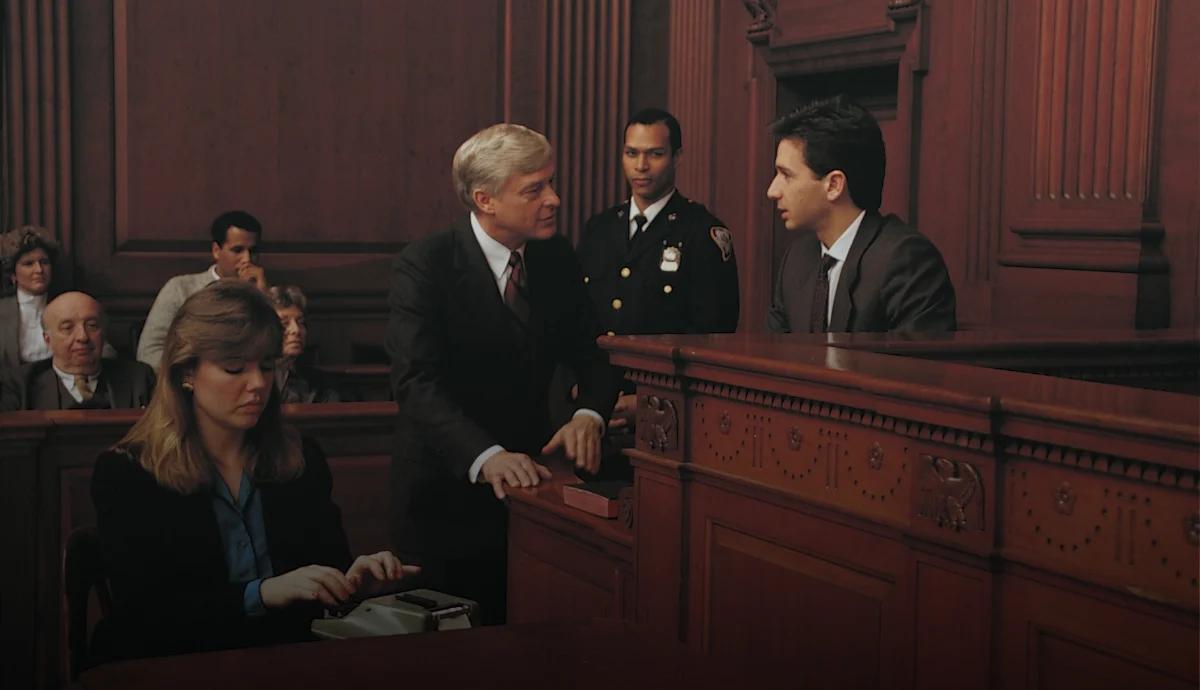
A probable cause hearing in North Carolina can feel like one of the most stressful court dates you will ever face. However, the most important point to understand is that a hearing for probable cause is not a trial, and it is not the moment when the judge decides guilt or innocence.
It is a checkpoint in the probable cause hearing for felony NC cases, where the judge decides whether the State has sufficient evidence to keep the case moving forward.
If your hearing is coming up soon, this is also the stage where many people make decisions that quietly shape the rest of the case. Knowing what the judge can and cannot do, and what your North Carolina Criminal Defense Attorneys should be doing in court, helps you walk in prepared instead of panicked.
If you are preparing for this hearing, Martine Law can walk you through what to expect, what matters most, and what choices you have at this stage. You can reach our criminal defense team anytime.
What Is a Probable Cause Hearing in North Carolina Felony Cases
A probable cause hearing is held in district court in felony cases. The judge decides one question: Is there enough evidence to believe (1) a crime occurred and (2) you likely committed it?
This hearing is a screening step. The State does not need to prove the case beyond a reasonable doubt. The standard is much lower, which is why many cases still move forward even when there are real defense issues.
Also, you typically have a legal right to demand or waive this hearing. That decision matters because waiving the hearing can mean giving up an early chance to test the State’s evidence.
Key Decisions Made at a Probable Cause Hearing
This is the part most people want answered clearly.
What The Judge Decides
At a probable cause hearing, the judge typically decides:
- Whether probable cause exists for the felony charge
- Whether the felony charge continues forward to the superior court
- Whether a lesser charge makes more sense (in some situations, based on evidence presented)
The judge determines whether the case has sufficient evidence to proceed.
What The Judge Does NOT Decide
The judge does not decide:
- Whether you are guilty or innocent
- Whether the State can prove the case at trial
- Whether you should accept a plea deal
- The outcome of sentencing
A probable cause finding is not a conviction, and it does not determine the final outcome of the case. Many defensible cases still move forward at this stage because the standard is low. This hearing is limited in scope and is sometimes waived, because the State may still seek an indictment even if probable cause is not found.
What Happens at a Probable Cause Hearing
Here is what a typical probable cause hearing for a felony in NC looks like in practice.
1. The Case Is Called
You or your North Carolina Criminal Defense Attorneys appear in the district court.
2. The State Presents Evidence
The evidence includes a police officer’s testimony, witness statements, and documents or other physical evidence. In some cases, the State brings only one witness, while in others, it may call several.
3. The Defense Can Argue for Dismissal
This is where the hearing becomes more than a formality. If the evidence is thin, inconsistent, or missing key details, your North Carolina Criminal Defense Attorneys can argue that probable cause does not exist. The defense may also expose weaknesses early through cross-examination.
4. The Judge Makes the Probable Cause Decision
That decision determines whether the felony charge continues forward.
If probable cause is found, the case is typically bound over to the superior court. At this stage, the felony charge may be dismissed if there is no probable cause. However, dismissal does not always end the case. The State may bring the charge back through indictment in some situations. This is why the hearing is strategic, not automatic.
If you are walking into a probable cause hearing soon, getting legal guidance early can help you feel grounded and prepared.
Why This Hearing Matters and What Happens Next
Even though the burden is low, this hearing can still be a turning point. It may be your first real opportunity to see the State’s case, including:
- which witnesses the State may rely on
- whether the evidence appears strong or weak
- whether the alleged facts match what happened
- whether the officer’s version has gaps or inconsistencies
If the State calls a witness, your North Carolina Criminal Defense Attorneys may cross-examine them and lock testimony into the record early. That can matter later, especially if the witness changes their story or details. This is also a stage where the court addresses major procedural issues.
Pre-Hearing Errors That Prosecutors May Use Against You
This hearing can shape your case early, so it helps to avoid mistakes that weaken your position. Common missteps include:
- Talking to the police again to “explain” your side
- Reaching out to the alleged victim or witnesses (even politely)
- Posting about the case online
- Assuming the hearing is pointless and showing up unprepared
- Waiving the hearing without understanding what you gain or lose
Even small choices can create big problems later, especially in felony cases.
Defense Strategies Martine Law Uses in North Carolina Felony Hearings
When you are facing felony charges in North Carolina, it is not enough to simply show up and hope for the best. You need a plan and to know what the State can actually prove. Martine Law helps clients prepare by reviewing charging documents and discovery early, so nothing important is missed before the hearing.
We closely examine the State’s evidence for weaknesses and prepare targeted questions to expose gaps, inconsistencies, and credibility issues. We, North Carolina Criminal Defense Attorneys, also advise you on whether it makes sense to hold the probable cause hearing or waive it, based on your goals and what gives you the strongest position moving forward.
Just as necessary, we help protect you from accidental self-incrimination by guiding you on what to say, what not to say, and how to handle courtroom situations that could be used against you later. Throughout the process, our staff remains available 24/7 so you can get answers quickly when questions come up.
We know local court procedures and ensure you understand what is happening at every step in plain language. If your felony hearing is coming up, getting defense counsel involved early can make a meaningful difference in what happens next.
Key Takeaways
- A probable cause hearing does not determine guilt and is not a trial.
- The judge decides only whether there is enough evidence to move the felony charge forward.
- This hearing can reveal the State’s early evidence and weaknesses.
- A “no probable cause” decision can lead to dismissal, but the State may still seek indictment in many cases.
- The best decision (hold or waive the hearing) depends on strategy, and legal advice matters early.
If you are facing a felony case and your probable cause hearing is coming up, you do not have to guess what the judge will decide or what your options are. Martine Law can help you prepare and protect your future with straightforward, honest guidance. Call us today to schedule a consultation.
FAQs About a Probable Cause Hearing in North Carolina
Can a defense lawyer get felony charges reduced at the probable cause hearing?
Sometimes. While the probable cause hearing for a felony in NC is not a full trial, strong cross-examination can expose weak evidence or credibility issues that influence negotiations. In many cases, the hearing helps position the case for reduced charges or for discussions of dismissal.
If the judge finds probable cause, does that mean I will be convicted?
No. A probable cause finding only means the case can move forward. It is not a determination of guilt. Many cases that pass a probable cause hearing in North Carolina still end in dismissals, reductions, or favorable plea outcomes after deeper investigation.
Can my bond be changed at the probable cause hearing?
Yes, in some situations. If circumstances have changed or the original bond was set quickly, your North Carolina Criminal Defense Attorneys may request bond modification. The probable cause hearing for a felony in NC can become an opportunity to argue for a lower bond or less restrictive release conditions.
