
Quick Summary
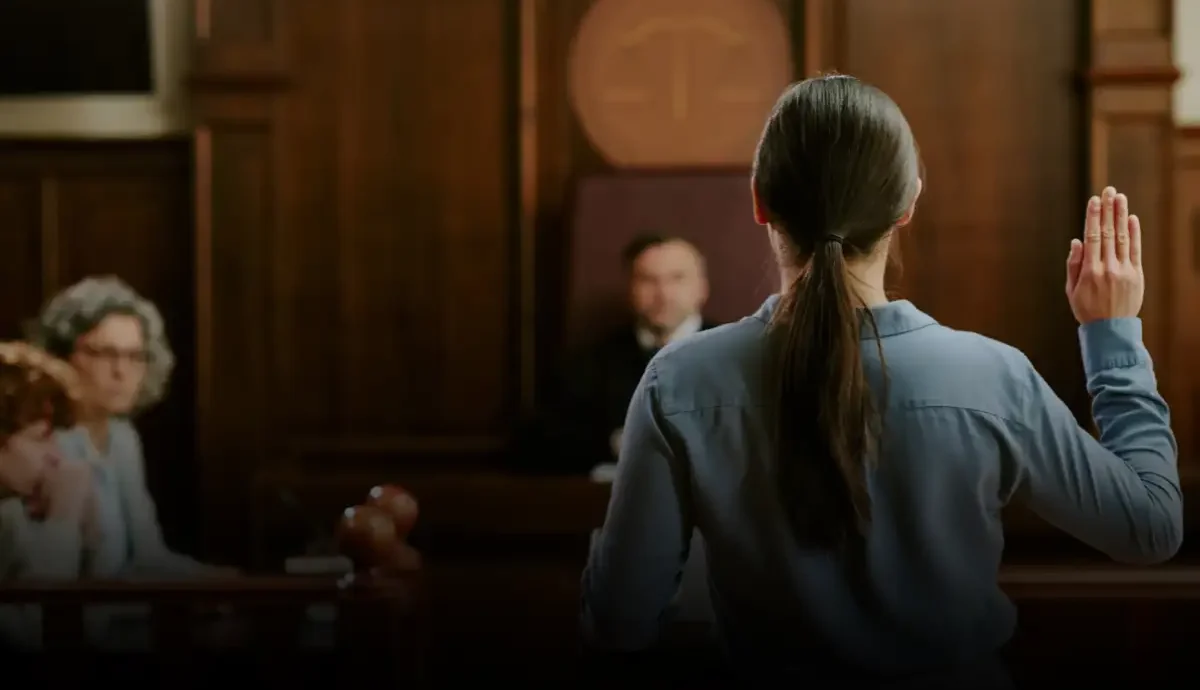
When officer observations become central in a case, courts review how police testimony assault North Carolina is supported by context and evidence. You may see judges examine credibility, consistency, and investigative detail before deciding whether an officer’s account can influence an assault verdict.
Officer observations sometimes become the primary evidence in an assault case when other witnesses are unavailable or uncertain. Courts evaluate police testimony assault North Carolina by reviewing credibility, investigative details, and how clearly the officer describes the alleged incident. Judges consider whether the testimony provides reliable information about actions, timing, and surrounding circumstances.
You may notice that officer accounts often describe statements, injuries, or behavior observed at the scene. However, courts still evaluate how testimony aligns with physical evidence, investigative reports, and procedural rules governing witness testimony in criminal trials.
Legal guidance can help clarify how evidentiary rules affect assault prosecutions and defense strategies. North Carolina Criminal Defense Attorneys at Martine Law regularly explain courtroom procedures and evidentiary standards for individuals reviewing how criminal assault cases move through the court process.
Officer Testimony As Evidence In Assault Cases
Officer testimony can become a central piece of evidence in assault prosecutions when officers describe what they personally observed during an investigation. Courts reviewing police testimony assault in North Carolina focus on whether the officer’s statements clearly explain the events surrounding the alleged incident and whether those observations are supported by reliable investigative documentation.
Under N.C. Gen. Stat. § 8C-1, Rule 602, a witness may testify only about matters they personally observed or experienced. This means officer testimony must be based on firsthand knowledge of the investigation or scene observations rather than speculation or secondhand statements.
In many assault investigations, officers testify about what they saw upon arrival, including injuries, behavior, or statements made during initial interviews. Courts examine whether these observations were recorded accurately and whether the officer’s testimony aligns with investigative reports and other evidence presented during trial.
Judges may consider several factors when determining how much weight to give officer statements:
- The officer’s opportunity to observe the incident or its aftermath
- Consistency between written reports and courtroom testimony
- Whether physical evidence supports the officer’s account
- The level of investigative detail documented at the scene
Confrontation issues when officers repeat witness statements
Courts must carefully review situations where an officer testifies about statements made by other individuals during an investigation. In these circumstances, evidentiary rules and constitutional protections may limit how those statements can be introduced in court.
Testimony that repeats statements from absent witnesses can raise confrontation clause concerns under criminal procedure rules. These evidentiary disputes sometimes overlap with legal principles discussed in Crawford-related testimony issues in North Carolina domestic violence cases, where courts evaluate whether defendants have the opportunity to challenge testimonial statements presented through another witness.
Court Evaluation Of Officer Credibility And Observations
Courts evaluate officer credibility carefully when testimony becomes a primary source of evidence in an assault prosecution. Judges and juries examine whether the officer’s account appears reliable, consistent, and supported by investigative documentation presented during trial.
When reviewing testimony, courts look closely at how clearly the officer explains what occurred and whether those observations were recorded accurately during the investigation. Testimony that matches written reports and investigative records may appear more reliable than statements that change between the incident report and courtroom testimony.
Courts also consider whether the officer documented the scene promptly and whether physical evidence supports the officer’s description of events. Photographs, injury reports, and other investigative records may strengthen or weaken how testimony is interpreted during trial. These details may influence whether an assault conviction based on officer testimony NC appears persuasive during jury deliberations.
In addition, courts sometimes compare the officer’s testimony with the legal definitions of assault offenses to determine whether the described conduct fits the statutory elements of the charge. According to North Carolina General Statute §14-33, which outlines misdemeanor assault classifications, the court evaluates whether the facts described in testimony align with the legal elements required for the offense.
Supporting Evidence That May Strengthen Testimony
Officer testimony often carries greater weight when additional evidence confirms or explains the officer’s observations. Courts reviewing assault cases typically look for corroborating information that supports the investigative account and helps clarify what occurred during the alleged incident.
In many trials, judges and juries compare the officer’s testimony with other forms of evidence collected during the investigation. Body camera footage or surveillance recordings may show events leading up to the alleged assault. Photographs may document visible injuries or property damage observed at the scene. Medical records can also describe injuries that officers reported during the investigation, while witness statements may provide additional context about how the incident unfolded.
When evaluating police testimony assault North Carolina, courts examine whether these sources of evidence align with the officer’s description of events. Consistency between investigative records and testimony can strengthen the reliability of the officer’s account. However, if evidence conflicts with the testimony or investigative details appear incomplete, courts may question how strongly the testimony supports the alleged assault.
Know More – Memory Gaps: Challenging the Reliability of Witness Testimony in NC Sexual Assault Cases
Legal Limits On Officer Testimony In Court
Even when officer testimony becomes important evidence, legal rules still limit what officers may present during trial. Courts review testimony carefully to ensure it follows evidentiary standards governing admissibility, relevance, and the scope of witness statements in criminal proceedings.
Judges often examine whether the officer’s testimony is limited to matters personally observed during the investigation. Officers are generally expected to describe what they saw, heard, or documented rather than repeating statements from other individuals that may not meet evidentiary requirements. Courts also review whether testimony reflects factual observations instead of conclusions about what may have occurred during the incident.
In some situations, officers may offer limited opinion testimony when it is based on their perception and helps explain investigative observations. Courts evaluate whether these statements assist the jury in understanding the evidence without introducing speculation or unsupported assumptions.
These evidentiary rules help courts determine whether an assault conviction based on officer testimony rests on admissible and reliable testimony rather than speculation or unsupported conclusions.
After reviewing how officer testimony is evaluated in assault trials, some people choose to speak with a criminal defense lawyer to better understand how evidentiary rules may apply to their situation.
Judicial Perspective On Police Testimony In Assault Trials
Judges instruct juries to evaluate officer testimony using the same standards applied to any other witness in a criminal trial. Law enforcement status alone does not automatically determine whether testimony is reliable or persuasive.
Courts emphasize that jurors must carefully review testimony within the broader evidentiary record. In police testimony assault North Carolina cases, jurors often compare officer statements with investigative reports, physical evidence, and witness testimony before deciding how much weight the statements deserve. Broader explanations about courtroom procedures and evidence evaluation can also appear when reviewing how the criminal defense cases are handled in North Carolina courts.
How juries assess officer investigative explanations
Jurors often focus on how clearly the officer explains investigative actions taken during the incident response. Testimony describing interviews, scene observations, or evidence collection may help clarify how officers interpreted the situation during the investigation.
Courts encourage juries to examine whether these explanations appear consistent with investigative documentation and other testimony presented during trial. Because assault cases rely heavily on factual interpretation, jurors are instructed to compare officer testimony with the surrounding evidence before determining how strongly it influences the verdict.
Legal Perspective On Officer Testimony In Assault Trials
Officer testimony can influence assault trials when it describes observations, investigative steps, and statements gathered during an incident response. Courts still evaluate credibility, evidentiary rules, and supporting proof before deciding how much weight that testimony should carry.
Judges often review whether testimony aligns with investigative documentation, physical evidence, and procedural standards governing witness statements. These considerations help determine whether officer observations provide reliable support for an assault allegation.
Understanding how courts assess evidence can help you better interpret the legal process and courtroom procedures involved in assault cases. If you are reviewing how criminal charges may proceed, speaking with North Carolina Criminal Defense Attorneys at Martine Law may help clarify the rules and evidence standards that apply. You may book a free case evaluation by calling (704)461-9488 or visiting the Contact Us page.
Frequently Asked Questions
Can officer testimony alone lead to a conviction?
Yes, it may in certain situations. Courts can consider an officer’s testimony as evidence if the officer directly observed events or documented relevant details during the investigation. However, judges and juries usually review credibility, consistency, and supporting evidence before deciding how strongly the testimony supports the alleged assault during deliberations.
Why do courts review investigative reports alongside testimony?
Courts review investigative reports because they provide a written record of what officers documented during the initial investigation. Comparing these reports with courtroom testimony helps determine whether the officer’s statements remain consistent over time. If differences appear between the report and testimony, attorneys may question the accuracy or reliability of the observations described during trial.
Do juries treat police testimony differently than other witnesses?
Juries are instructed to evaluate police testimony assault North Carolina in the same manner as other witness testimony. This means jurors assess credibility, consistency, and supporting evidence rather than relying solely on a witness’s professional role. Courts emphasize that every witness statement must be reviewed carefully based on the available evidence.
What legal issues may affect officer testimony in assault cases?
Certain evidentiary issues may influence testimony presented during trial. These may include witness availability, admissibility of statements, or procedural rules governing evidence. If your question relates to a specific criminal allegation involving assault, you can review our practice area pages to see how these matters are typically handled under North Carolina law.
How do appeals review convictions involving officer testimony?
Appeals courts typically review whether trial courts applied evidence rules correctly and whether testimony was properly admitted during the trial. If procedural errors occurred or if testimony was introduced improperly, appellate courts may examine whether those issues affected the fairness of the original proceedings or the reliability of the verdict.
