
Quick Summary
Residual alcohol in your mouth can influence a breath test result even when it does not reflect alcohol in your bloodstream. Testing instruments monitor breath patterns to detect irregular samples, but observation procedures and equipment safeguards still play an important role in evaluating breath test reliability.
A mouth alcohol false positive reading can occur when alcohol remains in the mouth rather than reflecting alcohol present in the bloodstream. Residue from recent drinking, reflux, or certain alcohol-based products may temporarily influence a breath sample before the testing device measures deep lung air.
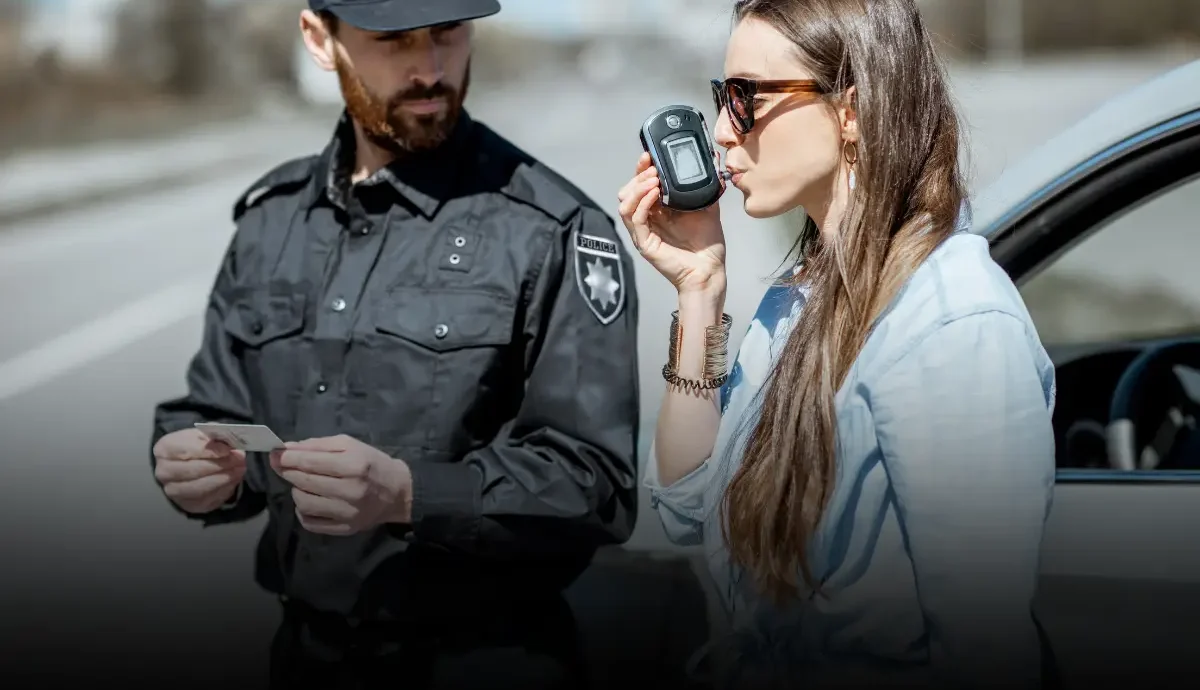
In North Carolina DWI investigations, breath tests must follow structured procedures and use state-approved instruments. Officers are required to observe individuals before testing, and the equipment must meet technical standards set by state authorities. Courts often review observation compliance, instrument monitoring, and testing records when evaluating the reliability of breath test evidence.
North Carolina Criminal Defense Attorneys at Martine Law regularly review breath testing procedures to determine whether required safeguards were followed.
The Scientific Difference Between Deep Lung Air and Mouth Alcohol
Breath testing devices used in North Carolina are calibrated to measure alveolar air, meaning the deep lung air that reflects alcohol in the bloodstream. This air reflects alcohol that has entered the bloodstream and is exchanged during respiration. The reported breath alcohol concentration is based on this relationship between blood and breath.
Mouth alcohol refers to alcohol that remains in the oral cavity rather than being fully absorbed into the bloodstream. It may be present after recent drinking, burping, regurgitation, or the use of certain products. Because this alcohol does not represent bloodstream concentration, it can temporarily distort a breath sample. Modern breath testing instruments analyze the pattern of alcohol concentration during exhalation to help distinguish between deep lung air and possible contamination.
Common Sources of Mouth Alcohol Interference
Certain conditions and everyday circumstances can increase the risk of contamination during breath testing. While modern breath testing instruments are designed to monitor irregular patterns, they rely on the quality of the sample provided. If alcohol remains in the mouth for any reason, the early portion of a breath sample may reflect that residue rather than true deep lung air.
North Carolina law sets procedural requirements for breath testing procedures in impaired driving investigations under N.C. Gen. Stat. § 20-16.2 . Because breath testing must follow structured procedures, courts may review whether contamination risks were addressed before a sample was accepted. Understanding common sources of mouth alcohol helps clarify why observation safeguards and instrument data are examined carefully in DWI cases.
Acid Reflux and Regurgitation
Acid reflux and minor regurgitation can introduce alcohol vapors into the mouth shortly before testing. Even if a person does not visibly vomit, small amounts of stomach contents can move upward into the esophagus and oral cavity. If alcohol was previously consumed, vapors or liquid residue may linger in the mouth.
Because breath testing devices analyze alcohol concentration during exhalation, this temporary contamination may influence the early phase of the sample. Breathalyzer slope detection may identify a rapid spike in alcohol concentration, which can suggest mouth alcohol rather than deep lung air. Whether that irregularity results in an invalid sample depends on the instrument’s internal analysis and how the observation period was handled.
Use of Alcohol-Based Products
Alcohol-based products such as mouthwash, breath sprays, or certain liquid medications can temporarily elevate a breath reading if used shortly before testing. These products contain measurable alcohol, and small amounts can remain in the mouth for several minutes.
The required observation period is intended to prevent this type of interference. During that time, officers monitor to ensure no substances are introduced into the mouth. If alcohol-based products were used immediately before the observation period began, residual alcohol may still be present. In those situations, the testing instrument may detect an irregular breath pattern, but the surrounding procedures and timing remain important factors in evaluating reliability.
Dental Appliances or Oral Injuries
Dental appliances such as retainers or dentures can trap small amounts of liquid in the mouth. If alcohol is present, it may linger longer than it otherwise would. Similarly, open sores or recent dental work may create areas where liquid can collect temporarily.
Although modern breath testing instruments monitor breath sample patterns, they cannot independently confirm the physical condition of the mouth. If alcohol residue remains trapped in an appliance or injury site, it may influence the initial portion of a breath sample. As with other sources of contamination, the final evaluation depends on whether proper observation safeguards were followed and whether the recorded sample appears consistent with deep lung air.
Safeguards Built Into NC Breath Testing Instruments
North Carolina uses evidentiary instruments approved by the Department of Health and Human Services, Forensic Tests for Alcohol Branch. These instruments must meet specific operational and accuracy standards before being used in court proceedings. Information about approved devices and testing protocols is available through the state’s forensic testing authority .
Modern instruments monitor the rise and fall of alcohol concentration during a breath sample. Breathalyzer slope detection analyzes whether the alcohol level forms a steady plateau, consistent with deep lung air, or whether it spikes and declines in a way that may indicate mouth alcohol interference. If the slope pattern appears irregular, the instrument may reject the sample and require another attempt.
Even with this monitoring system, the reliability of a result depends on both machine function and strict adherence to testing procedures.
Observation Period Requirements Before Testing
Before administering a breath test, North Carolina procedures require a continuous observation period. During this time, the officer must ensure the individual does not eat, drink, smoke, vomit, or place any substance in the mouth. The purpose of this requirement is to allow any residual alcohol in the mouth to dissipate naturally before a sample is collected.
Courts may later review whether the observation period was properly conducted and documented. If the period was interrupted, shortened, or restarted due to burping or regurgitation, that detail can become relevant when evaluating the reliability of a reported mouth alcohol false positive NC result. Proper observation is one of the key safeguards intended to reduce contamination before testing begins.
Instrument Data and Courtroom Review
Breath testing devices generate more than a printed alcohol concentration result. They also record internal data, including sample curves, invalid attempts, and system messages. In North Carolina DWI cases, this underlying data may be examined to determine whether the machine detected slope irregularities or required multiple samples. In cases involving the EC/IR II instrument, maintenance history and calibration records, including EC/IR II maintenance logs, may also be reviewed to assess whether the device was functioning properly at the time of testing.
In addition to laws governing chemical testing, North Carolina law defines the offense of impaired driving under N.C. Gen. Stat. § 20-138.1 . This law sets the legal alcohol concentration limit and explains what must be shown for someone to be considered legally impaired. When breath evidence is presented, courts consider both whether the test meets the legal requirements for use in court and whether the reported alcohol level supports the legal definition of impaired driving.
In courtroom review, judges may evaluate records showing the instrument and analyst were properly certified, instrument approval status, observation documentation, and the internal slope data generated during testing. The reliability of a reported result depends on both technical compliance and adherence to required procedures.
After reviewing how instrument data, slope monitoring, and procedural compliance are examined in court, some individuals choose to speak with a criminal defense attorney to understand how these technical factors may apply to their specific situation.
Evaluating Breath Test Evidence in a Practical Context
A reported mouth alcohol false positive NC reading does not automatically invalidate a case. However, it may affect how the breath result is viewed if testing procedures were not followed carefully or if medical factors are involved. Observation rules, approved equipment, and built-in monitoring systems are all designed to reduce the risk of inaccurate readings.
Modern breath testing instruments are designed to identify irregular breath patterns, but they do not replace the need for proper testing procedures and clear documentation. When breath test results are reviewed, courts look at factors such as the timing of the test, whether the required observation period was followed, whether the instrument was properly approved and maintained, and whether the testing record shows any irregularities. The focus is on whether required procedures were followed before the result is used as evidence.
Understanding the Role of Technology and Procedure in DWI Cases
Breath testing in North Carolina depends on both scientific measurement and clear testing procedures. Slope monitoring technology is designed to detect irregular breath patterns linked to mouth alcohol, while required observation steps are meant to reduce the risk of contamination before a sample is taken. Both the equipment and the testing process must work properly for a breath result to be considered reliable in court.
If you are reviewing how breath test results may affect your situation, North Carolina Criminal Defense Attorneys at Martine Law can examine the testing process, machine records, and procedural requirements with you. To discuss your circumstances in more detail, you may Book a Free Case Evaluation by calling (704)461-9488 or visiting the Contact Us page for guidance specific to North Carolina law.
Frequently Asked Questions
Can mouth alcohol cause a higher reading even if I was under the legal limit?
Yes, mouth alcohol can temporarily increase a breath reading even if your true blood alcohol level was below the legal limit. This happens because alcohol lingering in the mouth may be detected during the early part of a breath sample. Whether the result is accepted depends on observation procedures, slope monitoring patterns, and whether testing steps were properly followed.
How is a preliminary breath test different from an evidentiary breath test in North Carolina?
Yes, a preliminary breath test is different from the evidentiary breath test used at the station. A roadside device, often referred to as an Alco-Sensor, is used during traffic stops and is not the same as the machine used later for official testing. You can learn more about the rules governing a preliminary breath test in North Carolina and how it differs from post-arrest chemical analysis.
Does a breath test machine automatically reject contaminated samples?
Modern breath testing instruments are designed to detect irregular breath patterns that may indicate contamination. Breathalyzer slope detection analyzes how alcohol levels change during exhalation and may reject a sample if the pattern appears inconsistent with deep lung air. However, the system depends on proper administration and does not eliminate the need for correct observation procedures.
Can medical conditions affect the accuracy of a breath test?
In some situations, medical conditions such as GERD or chronic reflux may contribute to a mouth alcohol false positive NC concern. These conditions can introduce alcohol vapors into the mouth shortly before testing. While a medical issue alone does not invalidate a result, it may become relevant when combined with instrument data and questions about how the test was administered.
Are breath tests the only form of chemical testing used in North Carolina DWI cases?
No, breath tests are not the only form of chemical testing permitted in North Carolina DWI cases. Blood testing may also be used in certain circumstances, particularly when breath testing is unavailable or impractical. Unlike breath samples, blood tests measure alcohol directly from the bloodstream and are not affected by mouth contamination, though they must still follow proper procedures.
