
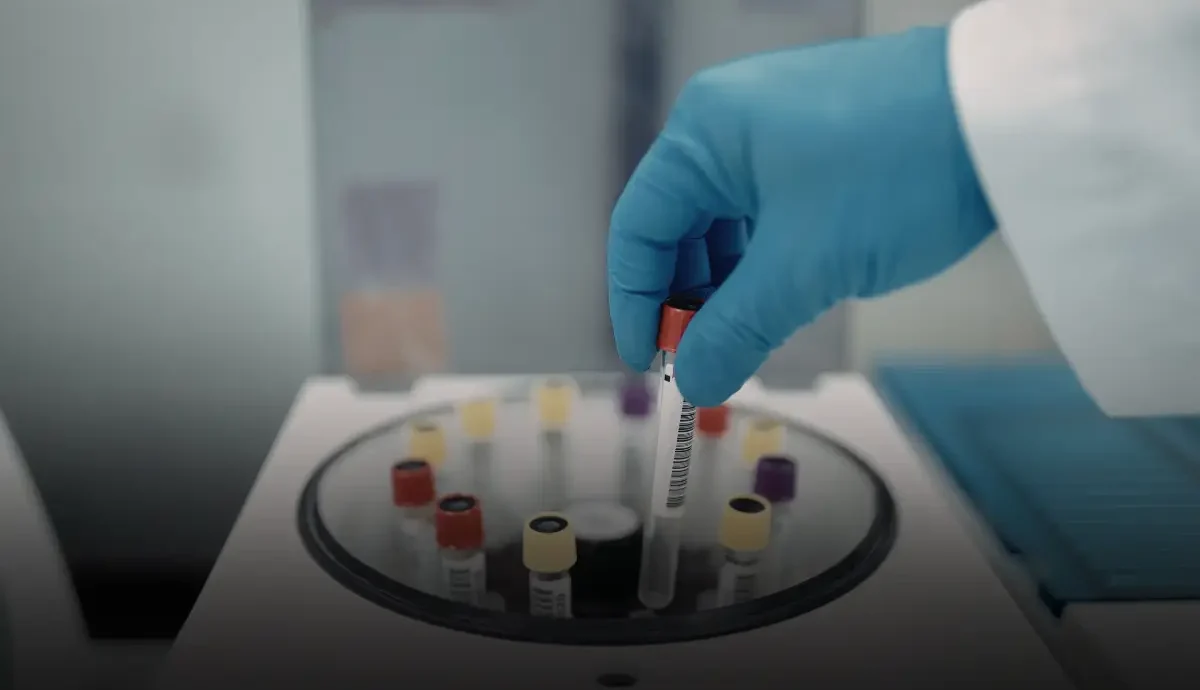
Blood testing in a North Carolina DWI case depends on strict handling and storage controls. When those controls fail, alcohol can form inside the vial after the blood draw, producing results that no longer reflect the driver’s condition at the time of driving. This issue is central to challenges involving improperly stored blood samples NC cases.
Post-collection alcohol formation, commonly referred to as fermentation, occurs when biological activity inside the vial is not adequately suppressed. Missing preservatives, improper temperatures, or delayed refrigeration can allow alcohol levels to rise after collection, distorting reported blood alcohol concentration results.
North Carolina courts require the State to prove that chemical test results accurately represent alcohol present during the alleged offense, not changes that occurred later during storage or analysis. When evidence handling falls short, the reliability of the test itself becomes a legitimate point of dispute.
North Carolina Criminal Defense Attorneys at Martine Law regularly analyze blood evidence for compliance with state forensic standards, focusing on whether storage and handling failures undermine the scientific reliability required for admissibility.
Key Takeaways
- Improper storage of blood samples can cause alcohol levels to change after the draw, raising reliability concerns in North Carolina DWI cases.
- Fermentation inside a blood vial may occur when preservatives, refrigeration, or handling protocols are not properly followed.
- North Carolina courts focus on whether blood test results reliably reflect alcohol levels at the time of driving, not after-collection changes.
- The impact of storage failures depends on case-specific factors such as timing, documentation, and compliance with approved testing procedures.
Post-Collection Fermentation Alters Blood Alcohol Levels After the Draw
Fermentation is a biological process in which microorganisms convert sugars into alcohol. In a blood vial, this process can begin after collection if preservatives fail or storage conditions allow microbial growth. Because blood naturally contains glucose and trace microorganisms, the risk of fermentation is inherent unless collection and preservation protocols are strictly followed.
To reduce this risk, blood collection vials used for forensic testing typically contain preservatives and anticoagulants designed to stabilize the sample. Sodium fluoride is commonly used to inhibit fermentation by slowing enzymatic activity, but it must be present in the correct concentration and thoroughly mixed with the blood sample to be effective. When preservation measures fail, alcohol can be produced inside the vial after the draw, meaning the measured result may not reflect alcohol present at the time of driving.
Preservative Failures Increase Fermentation Risk
Expired additives, improper vial filling, or incomplete mixing can reduce preservative effectiveness. When this occurs, fermentation may continue unchecked, especially if the sample is stored for extended periods before testing. Even modest post-collection alcohol production can materially affect reported results.
Temperature Control Plays a Critical Role
Refrigeration is designed to slow biological activity. Blood samples left at room temperature or exposed to fluctuating conditions face increased fermentation risk. The fermentation blood vial DWI issue becomes particularly significant when laboratory records show delays or inconsistent storage practices that allow alcohol formation after the draw.
Chain of Custody and Storage Conditions Control Blood Evidence Integrity
Blood evidence must be tracked and documented from collection through testing. Chain of custody records establish who handled the sample, when transfers occurred, and where the sample was stored. Gaps or inconsistencies raise questions about whether the sample remained intact and unaltered.
Storage conditions are equally important. Proper refrigeration limits biological activity, while improper storage can accelerate fermentation. These concerns frequently arise in improperly stored blood samples NC cases, where documentation does not clearly establish compliant handling.
According to North Carolina General Statute § 20-139.1, chemical analysis results are admissible only when performed using approved methods and procedures. Storage failures can call those methods into question and weaken the State’s evidentiary foundation.
Courts also consider whether the State can establish a continuous and reliable evidentiary chain demonstrating that the sample was safeguarded against contamination, tampering, substitution, or environmental exposure. Proper documentation must show consistent handling, secure storage, and clear transfer records from collection through analysis. Even minor deviations in documented procedure, unexplained gaps, or incomplete logs may prompt closer judicial scrutiny when the reliability and scientific accuracy of the reported blood alcohol concentration are disputed.
When storage and handling practices raise questions about evidence integrity, the next issue becomes whether the laboratory procedures used meet the legal standards required for blood test results to be admitted in North Carolina courts.
Laboratory Compliance Standards Define Admissibility in NC DWI Cases
North Carolina relies on certified laboratories and approved forensic protocols to ensure blood test accuracy. Laboratories conducting forensic alcohol testing must follow specific procedures governing preservatives, refrigeration, labeling, storage timelines, and testing methods. These requirements are intended to ensure that reported blood alcohol results accurately reflect the condition of the sample when it was collected, not changes that occurred afterward.
Laboratory intake forms, temperature logs, and testing records play a central role in establishing whether those procedures were followed. These records document when the sample was received, how it was stored, and how long it remained in custody before analysis. When documentation is missing, incomplete, or inconsistent, it becomes more difficult for the State to demonstrate that the sample was properly preserved and tested without interference.
Documentation Issues That Can Affect Admissibility
- Gaps between collection and laboratory intake that are not clearly explained
- Missing or inconsistent temperature logs during storage or transport
- Incomplete labeling or discrepancies between vial identifiers and reports
North Carolina law directly ties the admissibility of blood alcohol results to compliance with approved testing procedures. Under North Carolina General Statute § 20-139.1(c1), chemical analysis must be performed using methods approved by the state, and failures in handling or storage can undermine whether those results meet statutory reliability requirements.
At this point, some individuals choose to speak with a criminal defense lawyer to better understand how blood evidence handling and storage issues may be interpreted under North Carolina DWI law.
Evidentiary Challenges Focus on Scientific Reliability Not Procedural Errors
Challenges to blood evidence are grounded in scientific reliability rather than procedural technicalities. Courts evaluate whether the test result accurately reflects alcohol present at the relevant time. If fermentation or storage failures may have altered the result, the evidence’s probative value may be reduced.
Defense review often examines collection timing, refrigeration delays, storage duration, and testing intervals. Even brief lapses in proper handling can matter when conditions allow fermentation. The fermentation blood vial DWI issue is especially significant when reported results are close to the legal limit, where small increases can change how the evidence is interpreted.
Case-Specific Analysis Determines the Impact of Storage Failures
Not every storage issue invalidates blood evidence. North Carolina courts assess whether the deviation likely affected accuracy. Relevant factors include preservative integrity, length of storage before testing, temperature control, and the margin between the reported result and the legal threshold.
Results near 0.08 are particularly sensitive to fermentation-related increases, while higher reported levels may be less affected by small post-collection changes. Even so, the burden remains on the State to establish reliability. Storage failures shift that analysis and can limit the weight courts assign to numerical blood alcohol results.
Taking Action When Blood Storage Issues Affect a DWI Case
Blood test evidence in North Carolina DWI cases is only as reliable as the procedures used to collect, store, and analyze it. As this article explains, fermentation, improper refrigeration, and documentation gaps can cause blood alcohol results to change after the draw, raising legitimate questions about whether those results accurately reflect a driver’s condition at the time of the alleged offense. Understanding how these issues arise helps clarify why storage and handling practices matter as much as the test itself.
Challenges involving improperly stored blood samples often depend on timing, laboratory compliance, and the specific conditions under which a sample was preserved. Courts do not assume error, but they do require the State to demonstrate reliability. Knowing where breakdowns can occur allows individuals to better evaluate the strength of blood evidence used against them.
North Carolina Criminal Defense Attorneys at Martine Law assist individuals facing DWI charges by reviewing blood testing procedures, storage records, and statutory compliance under North Carolina law. To discuss how these issues may apply to your situation, you may book a Free Case Evaluation by calling (704)461-9488 or visit our Contact Us page for focused, case-specific guidance.
FAQs about Entry of Judgment After Deferral Failure in North Carolina
Can delays between a blood draw and testing affect DWI evidence?
Yes, delays between collection and analysis can affect blood alcohol reliability. Extended gaps increase the risk of fermentation or other biological changes, especially if storage conditions were inconsistent. Courts may examine how long a sample sat before testing, whether refrigeration was continuous, and whether documentation accounts for the entire delay period. These timing issues can influence how much weight a blood result receives.
Is a defendant allowed to request independent testing of a blood sample?
Yes, North Carolina law allows defendants to seek independent testing under certain conditions. Access depends on whether a sufficient sample remains and whether proper preservation occurred. Independent testing can provide additional insight into alcohol concentration, potential contamination, or post-collection changes. The ability to retest often hinges on early case review and whether the sample was retained according to protocol.
Does it matter whether blood was drawn by hospital staff or law enforcement?
Yes, the identity and training of the person who performed the blood draw can matter. Hospital draws often follow medical protocols, while law enforcement draws must meet forensic standards tied to admissibility. Differences in labeling, preservatives, and documentation may affect reliability. Courts may examine whether procedures matched the purpose of forensic testing rather than routine medical care.
Can expired or improperly maintained blood vials affect test reliability?
Yes, expired or improperly stored blood collection vials can compromise test results. Preservatives lose effectiveness over time, increasing the risk of fermentation or chemical instability. Records showing vial expiration dates, storage conditions, and lot tracking may become relevant when assessing whether alcohol levels changed after collection due to equipment-related failures.
Why are improperly stored blood samples NC cases often more complex than breath test cases?
Improperly stored blood samples NC cases are often more complex because blood evidence involves multiple handling stages, longer timelines, and laboratory procedures subject to detailed scrutiny. Unlike breath tests, blood samples can change after collection if storage conditions fail. This complexity increases the number of variables courts may evaluate when determining whether reported alcohol levels are reliable.
