
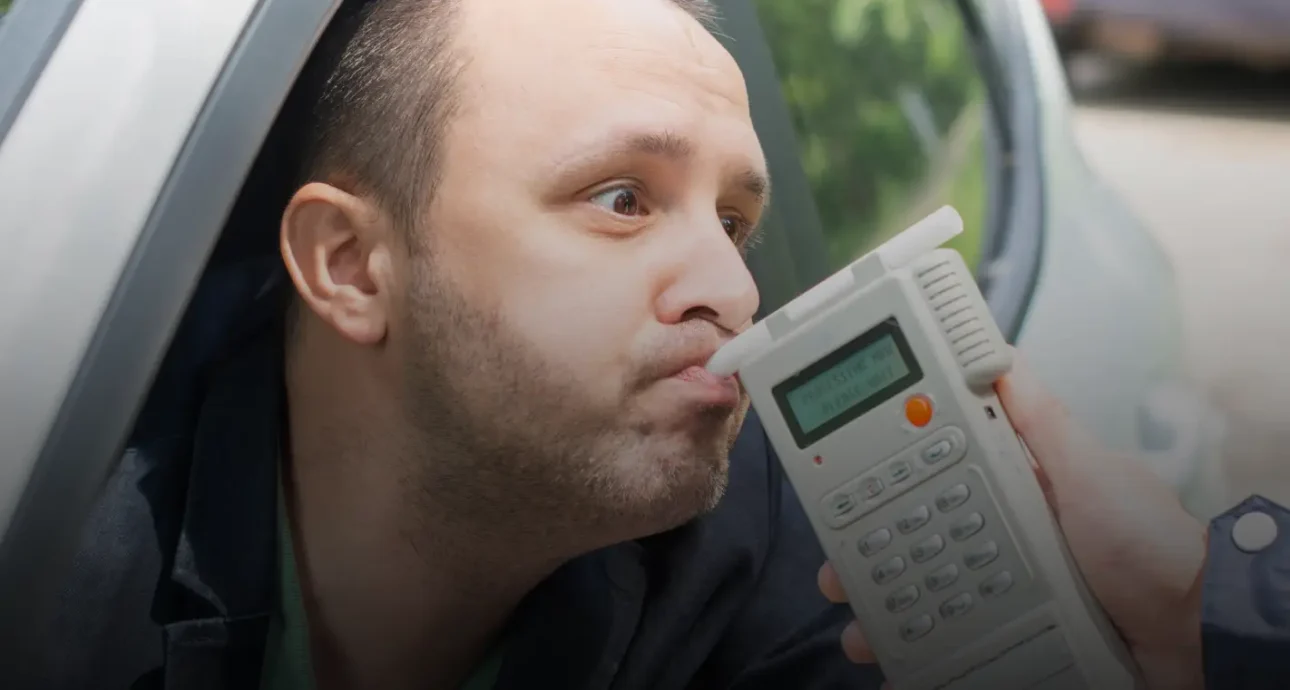
Getting stopped for suspected impaired driving can feel heavy. Many people describe it as one of the most stressful moments of their lives, confusing, embarrassing, and filled with uncertainty about what comes next. When a breath test number appears on a screen, it can feel final, as if the case has already been decided.
But breath test results in North Carolina are not automatically infallible. They are produced by machines, operated by people, and governed by strict legal standards. When those standards are not followed, accuracy becomes a legitimate defense issue, not an excuse.
North Carolina regulates how chemical breath testing must be conducted under N.C. Gen. Stat. § 20-139.1, which outlines when testing may occur, what methods must be used, and how results are treated in impaired driving cases.
Understanding how these tests work and what can interfere with their reliability helps explain why experienced legal professionals often examine breath test accuracy carefully.
Many people turn to a North Carolina DWI attorney at this stage to better understand how test results are evaluated and what those numbers may actually mean under the law.
When breath test results feel confusing or final, Martine Law can help explain what the law actually requires. You can contact our North Carolina Defense Attorney for further help.
This guide explains how breath-test accuracy becomes a defense issue, what North Carolina law requires, and how these questions can shape how a DWI case is approached.
How Breath Tests Are Used in North Carolina DWI Cases
Breath tests are central to many DWI prosecutions in North Carolina. Law enforcement typically uses approved devices, such as the Intoximeter EC/IR II, to estimate a driver’s blood alcohol concentration (BAC) by analyzing a breath sample. Under’ G.S. 20-138.1, a BAC of 0.08 percent or higher for drivers aged 21 and older constitutes legal intoxication.
Officers often rely heavily on these results when making arrest decisions and building their cases, citing G.S. 20-16.2 as requiring testing.
Prosecutors, in turn, use breath test readings as scientific evidence of impairment. Because these numbers appear precise and technical, they often carry significant weight in court.
However, breath testing does not directly measure alcohol in the blood. Instead, it estimates BAC using assumptions about how alcohol transfers from the bloodstream into the lungs.
These assumptions do not always hold true for every person or situation, which is why accuracy can become a meaningful issue of defense.
Why Breath Test Results Can Be Misleading
Although breath tests are designed to be scientifically reliable, they are not immune to error. Their accuracy depends on several variables working together correctly. When any of these variables fail, the results may not reflect a person’s true level of intoxication.
Human physiology plays a role. Factors such as breathing patterns, body temperature, and certain medical conditions can affect how alcohol appears in a breath sample.
Devices themselves can malfunction, drift out of calibration, or produce inconsistent readings if not properly maintained. The way an officer administers the test also matters. Small procedural mistakes can have significant consequences.
This is why breath test results should not be treated as unquestionable truth. They are pieces of evidence that must meet legal reliability standards.
Common Technical Issues That Affect Breath Test Accuracy
Several recurring technical problems can influence the reliability of breath test results:
- Calibration errors: Breath-testing devices must be calibrated regularly to ensure accuracy. If calibration is skipped, delayed, or performed incorrectly, results may be skewed.
- Operator mistakes: Only properly trained and certified officers should administer breath tests. Incorrect instructions, improper timing, or failure to follow protocols can undermine reliability.
- Physiological variability: Medical conditions such as diabetes, acid reflux, or respiratory issues may affect test results.
- Mouth alcohol contamination: If a proper observation period is not followed, residual alcohol in the mouth can inflate readings.
Each of these issues can become a point of challenge for a North Carolina DWI attorney evaluating the validity of the evidence.
Some Common Sources of Breath Test Error and Why It Matters
Source of Error | Why It Matters |
Improper calibration | Can skew results upward or downward |
Missed observation period | Allows mouth alcohol contamination |
Operator mistakes | Invalid sample collection |
Medical conditions | Can mimic alcohol signals |
Device malfunction | Produces unreliable readings |
Breath test accuracy depends on both human compliance and machine performance.
Legal Standards for Breath Test Evidence
In North Carolina, breath test results are not automatically admissible. The prosecution must establish a proper legal foundation before the evidence can be used.
This includes showing that:
- The device was approved and functioning correctly
- The device was recently and properly calibrated
- The officer was certified to administer the test
- The test was conducted according to the required procedures
If the state cannot meet these requirements, the reliability of the result may be questioned. In some cases, a defense attorney may file a motion to suppress the breath-test evidence, arguing that it should not be used.
Why Borderline BAC Readings Are Often Challenged
North Carolina’s legal threshold for intoxication is 0.08 percent. When a test result is close to this line, even small margins of error become important.
Breath testing devices have built-in tolerances. Human bodies metabolize alcohol differently. Environmental and procedural factors can all influence results. In borderline cases, these differences may be legally meaningful.
This is one reason breath test accuracy often becomes a defense issue when readings fall near the legal limit.
How Breath Test Accuracy Can Influence Case Strategy
Breath test results don’t just affect whether someone is charged. They often influence how the case is evaluated by prosecutors, how negotiations occur, and how the defense approaches trial.
If a result appears strong and uncontested, it may carry significant weight. If the test’s reliability is questionable, its evidentiary value may change.
This can affect:
- Whether motions are filed
- How evidence is presented
- How the case is negotiated
- How risk is assessed
Accuracy issues are not side notes. They often shape the entire case.
How Breath Test Evidence Can Affect North Carolina DWI Sentencing
North Carolina DWI sentencing depends on multiple factors, including prior convictions, aggravating or mitigating circumstances, and the level of the offense.
While BAC alone does not determine sentencing, it often influences how a case is framed and discussed.
Higher BAC readings may be argued as aggravating. Borderline or disputed readings may affect how the case is evaluated.
Understanding how breath-test reliability relates to North Carolina DWI sentencing helps explain why accuracy disputes matter beyond the initial stop.
Mistakes People Often Make After a Breath Test
People often unintentionally weaken their cases by misunderstanding how breath-test evidence works.
Some of the most common mistakes include:
- Assuming the number is unbeatable.
- Repeating what the officer said about the test.
- Posting about the arrest online.
- Talking about the result without legal guidance.
- Believing higher numbers automatically mean guilt.
Breath test results are pieces of evidence, not verdicts.
How Lawyers Approach Breath Test Accuracy Issues
At Martine Law, breath test results are not treated as isolated numbers. They are treated as the end product of a process and that process matters.
This includes reviewing:
- Calibration and inspection records
- Operator certifications
- Observation period compliance
- Machine error patterns
- Medical or physiological factors
- Video and time logs
The goal is not to attack breath testing in general. The goal is to determine whether this specific test meets legal reliability standards.
This process-oriented approach helps ensure that evidence is evaluated rather than assumed.
Why Breath Test Accuracy Questions Deserve Careful Review
Breath tests play a powerful role in DWI cases, but they are not infallible. They depend on machines, people, and procedures, all working correctly at the same time.
When any of those safeguards break down, accuracy becomes a legal issue, not a loophole. Understanding how these tests work, what the law requires, and how reliability is evaluated can help replace fear with clarity and give you a more realistic picture of what those numbers actually mean.
If you’re trying to understand how breath test results are evaluated in North Carolina, clarity matters. Knowing what the law requires and what can compromise accuracy can change how a case is approached.
Martine Law helps people make sense of breath-test evidence and how it fits into the broader legal picture. A clearer understanding early can make a meaningful difference.
You can book a call to us for the right guidance and the North Carolina Defense Attorney will help you understand your case and give you proper answers to protect yourself and your future.
Frequently Asked Questions About Breath Test Accuracy in North Carolina DWI Cases
Are breath test results always accurate in North Carolina?
No. Breath tests are regulated by law, but they are not infallible. Their accuracy depends on proper calibration, certified operators, correct observation periods, and functioning equipment. If any required safeguard is missed, the reliability of the result may be questioned. Courts evaluate whether legal standards were followed before treating a breath test as reliable evidence.
Can medical conditions affect breath test readings?
Yes. Certain medical conditions, such as acid reflux, diabetes, and respiratory issues, can interfere with how breath testing devices interpret alcohol. These conditions may cause falsely elevated or irregular readings in some cases. That is why medical history can become relevant when determining whether a breath test accurately reflects a person’s blood alcohol concentration.
What happens if the breath test machine is not maintained properly?
Breath testing devices must be regularly inspected, calibrated, and maintained in accordance with North Carolina regulations. If maintenance records are missing, outdated, or inconsistent, the reliability of the test result may be challenged. Courts expect these devices to meet strict standards before their readings are treated as dependable evidence in a DWI case.
Do breath test errors matter if the BAC is high?
Yes. Accuracy always matters, regardless of the number. Even higher readings must be produced using lawful procedures and properly functioning equipment. If required safeguards were ignored, the reliability of the result can still be questioned. The law focuses on whether the test meets legal standards, not just on the number.
How can breath test accuracy affect North Carolina DWI sentencing?
Breath test results can influence how a case is evaluated, negotiated, and argued. While North Carolina DWI sentencing depends on multiple factors, unreliable or questionable test results may affect how the evidence is weighed. Accuracy issues can shape legal strategy, impact motions, and influence how the case progresses.
