
Quick Summary
You rely on body-worn cameras in serious misdemeanor cases in NC to understand how courts review footage. Judges assess clarity, authenticity, and context. This affects how evidence is interpreted and how your case is evaluated in court.
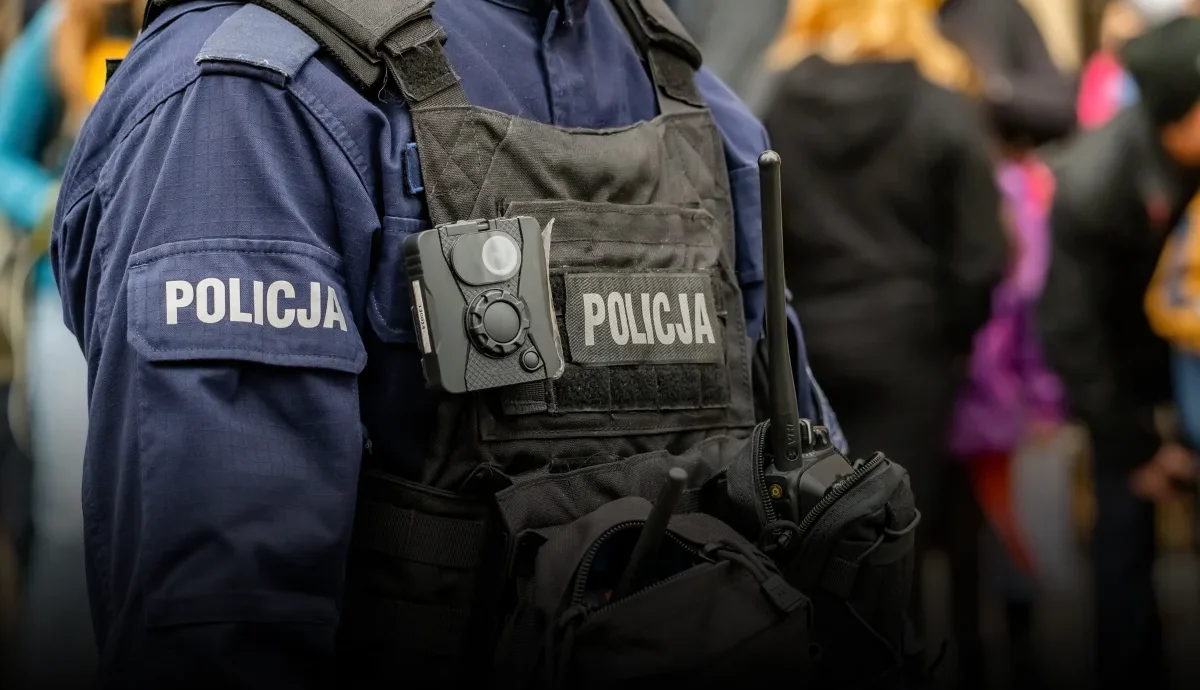
You may encounter body-worn recordings during arrests, traffic stops, or other interactions with law enforcement. Body-worn cameras in serious misdemeanor cases in NC are often reviewed to understand how events were documented, but recordings are not automatically accepted as complete or conclusive evidence. Courts examine how the footage was created, what it shows, and whether it accurately reflects the situation.
Courts evaluate whether the footage meets evidentiary standards, including authenticity, relevance, and clarity. They also consider whether the recording omits key details or requires interpretation alongside testimony and reports.
North Carolina Criminal Defense Attorneys at Martine Law explain how body camera footage is analyzed, including how courts assess reliability and determine its role in serious misdemeanor cases.
Legal Standards That Govern Camera Evidence Review
Courts apply structured evidentiary rules when reviewing recorded footage in misdemeanor cases. You must understand that video alone does not determine the outcome; instead, it is evaluated alongside testimony and other evidence. Under North Carolina law, recordings must meet standards for authentication, meaning the court must confirm that the footage is genuine and has not been altered. According to N.C. Gen. Stat. § 8C-1, Rule 901 evidence must be properly authenticated before being admitted.
Courts also consider whether the footage is relevant and whether it helps clarify disputed facts. In some situations, partial recordings or unclear audio may limit how much weight the footage receives. Additionally, documentation practices surrounding recordings may be reviewed alongside related arrest records, such as DWI arrest documentation in North Carolina cases, which can help establish consistency between reports and recorded evidence.
Factors Courts Use When Interpreting Recorded Footage
Courts rely on several factors when deciding how much weight to give video evidence. These include the clarity of the recording, how events are visually presented, and how the footage aligns with testimony and reports. You should understand that courts focus on interpreting what the video shows and how it compares with other evidence when determining its reliability and overall significance in the case.
How clarity and context affect interpretation
Clear footage with uninterrupted audio is generally easier for courts to evaluate. However, if the recording is incomplete, obstructed, or lacks audio, interpretation becomes more complex.
You should consider that officers may move during recording, which can change the camera’s angle. This may result in missing details or partial views of events. Courts often rely on testimony to fill in gaps when footage is unclear.
Whether the footage aligns with testimony
Courts compare recorded footage with statements from officers, witnesses, and defendants. If inconsistencies appear, the court must determine which version of events is more reliable.
For example, if a statement differs from what appears on video, the court may question credibility. However, differences do not automatically invalidate testimony, especially if the footage does not capture the full context.
These evaluation methods are commonly applied in body camera evidence NC court settings, where recordings are treated as one part of a broader evidentiary picture.
Procedural Steps For Admitting Body Camera Footage
Before footage can be used, it must go through procedural steps to ensure compliance with evidentiary rules. These steps help maintain fairness in the court process. The recording must be properly identified by a witness, and the method used to capture it must be explained.
If these requirements are met, the footage may be admitted. However, challenges can arise if there are gaps in handling or unclear documentation, especially when law enforcement recording and documentation practices in North Carolina cases are closely reviewed alongside video evidence.
Evaluation Step | Purpose in Court Review |
Authentication | Confirms footage is genuine |
Chain of Custody | Tracks handling of the recording |
Relevance | Determines if footage relates to the case |
Clarity Assessment | Evaluates visual and audio quality |
Understanding these steps helps you see how Body-worn camera in serious misdemeanor cases NC is handled procedurally, not just visually.
Limitations And Challenges In Video Evidence Use
Body-worn camera footage can be useful, but it has limitations. Recordings may not capture the full situation due to camera position, timing, or environmental conditions. In some cases, key moments may be missed or unclear, which can affect how events are understood. Because of these limitations, footage may require additional context and supporting evidence to provide a more complete and accurate understanding of what occurred.
Limits of footage in capturing full events
Body camera footage may not show the full event because it records from a specific perspective. If the officer moves or the camera angle shifts, key moments may not be visible. Lighting conditions, obstructions, and environmental noise can also affect what is seen or heard. Timing can also affect what is recorded, especially if footage begins late or ends early, leaving out important context.
Timing can also affect what is recorded. Footage may begin after an interaction starts or end before it fully concludes, which can leave out important context. Rapid movements, crowd presence, or overlapping conversations may further limit clarity.
Because of these limitations, courts avoid relying solely on video and instead evaluate recordings alongside testimony, reports, and other evidence to build a more complete understanding of events.
How courts address incomplete recordings
When recordings do not capture the full event, courts review additional evidence to understand what occurred. This may include officer reports, witness statements, and other documentation. Courts focus on whether the available evidence provides a consistent account, even if the footage is limited. Rather than relying on video alone, they evaluate all evidence together to determine how events should be interpreted.
In practice, body camera evidence NC court reviews often focus on consistency across all available evidence rather than relying on a single recording.
In North Carolina, body-worn camera recordings are governed by N.C. Gen. Stat. § 132-1.4A, which explains how recordings may be accessed and reviewed through court-controlled processes.
After reviewing these challenges, some people find it helpful to discuss their situation with a criminal defense lawyer.
Role Of Defense Strategy In Evaluating Footage
Legal strategy plays a role in how footage is interpreted and presented in court. You may need to consider how recordings support or challenge the allegations.
Defense analysis often focuses on:
- Identifying inconsistencies between video and reports
- Highlighting missing or unclear portions of footage
- Questioning how the recording was handled or stored
- Evaluating whether the footage reflects the full context
In cases involving controlled substances, courts may also evaluate how recorded evidence relates to different types of misdemeanor allegations under North Carolina statutes, especially when recordings relate to searches or seizures.
Similarly, classification issues may arise in cases involving property offenses, where courts assess how theft charges are structured under North Carolina law.
Final Perspective On Camera Footage Evaluation NC Cases
Body-worn recordings play a significant role in misdemeanor cases, but they are only one part of the evidence. Courts review these recordings carefully by examining authenticity, clarity, and consistency with other evidence. You should understand that footage does not automatically determine the outcome but instead contributes to how facts are evaluated.
When Body-worn camera in serious misdemeanor cases NC is involved, legal analysis often focuses on how the footage was obtained, what it shows, and whether it aligns with testimony and procedural rules. This approach ensures that recordings are used fairly within the legal process.
If you would like guidance on how these legal considerations may apply to your situation, you may contact North Carolina Criminal Defense Attorneys at Martine Law at (704)461-9488 or visit the Contact Us page to discuss your case.
Frequently Asked Questions
Can body-camera footage be excluded entirely from court?
Yes, body-camera footage may be excluded if it fails to meet evidentiary requirements such as authentication, relevance, or fairness. Courts may also exclude recordings if legal violations occurred during collection, such as unlawful searches. However, exclusion is not automatic, and judges often evaluate whether the issue affects admissibility or only the weight given to the evidence during a serious misdemeanor case.
How do judges handle disputes over what the video actually shows?
Judges resolve disputes over video interpretation by comparing the footage with testimony, reports, and surrounding evidence. If the recording is unclear or incomplete, courts may rely more heavily on witness statements to determine what occurred. Differences between what the video appears to show and what witnesses describe are evaluated carefully to determine credibility and the most reliable version of events.
Can delays in accessing body-camera footage affect a case?
Yes, delays in accessing body-camera footage can affect how a case develops, especially when timing impacts evidence review or case preparation. In North Carolina, access to recordings may require formal requests or court approval, which can take time. Delays do not automatically invalidate the evidence, but they may influence how thoroughly each party can review and respond to the footage.
What happens if multiple officers have different recordings of the same event?
When multiple officers record the same incident, courts review each recording together to understand the full sequence of events. Differences between camera angles, timing, or audio may provide additional context or highlight inconsistencies. Judges evaluate how each recording fits with other evidence and testimony to determine which details are reliable in Body-worn camera in serious misdemeanor cases NC.
Can body-camera footage be used during plea discussions?
Yes, body-camera footage may be reviewed during plea discussions to help both sides evaluate the strength of the evidence. Prosecutors and defense attorneys may consider how clearly the recording supports or contradicts the allegations. While the footage does not determine the outcome, it can influence how each side approaches negotiations and assesses the risks of proceeding to trial.
