
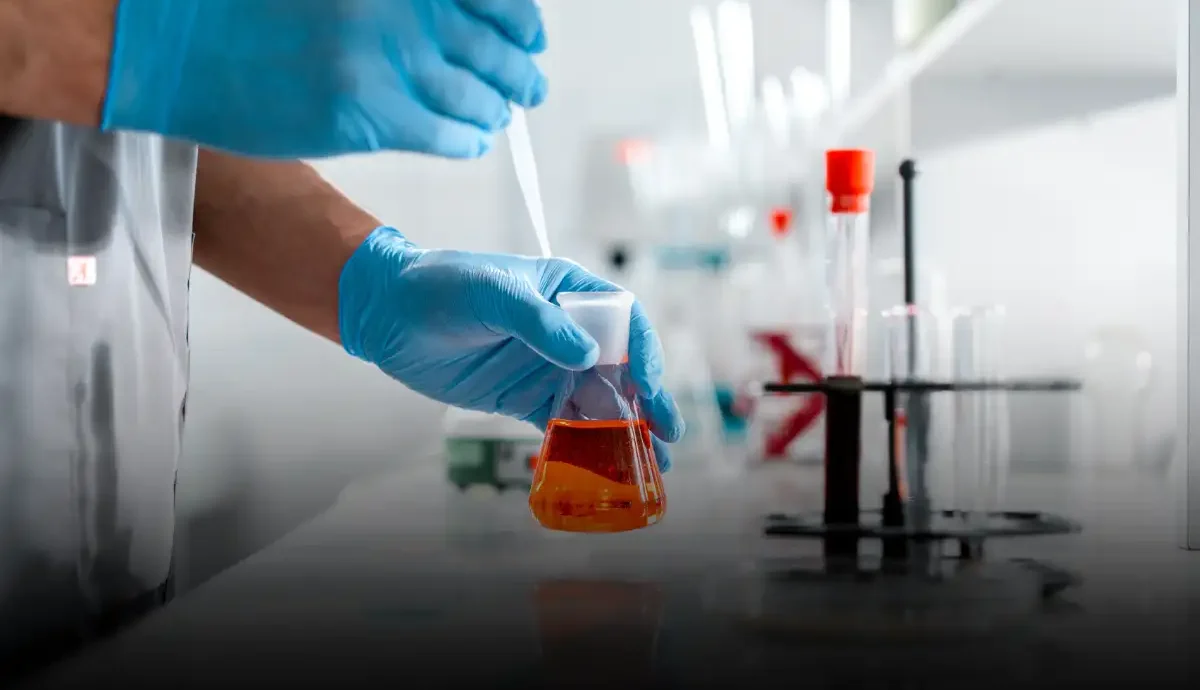
Blood testing plays a central role in many North Carolina DWI prosecutions, but its reliability depends on strict scientific controls. One overlooked issue involves the ratio of chemical preservatives inside blood collection vials. These preservatives are intended to prevent clotting and fermentation, yet incorrect amounts can distort blood alcohol concentration readings and raise evidentiary concerns.
Improper preservative ratios can cause alcohol levels to rise or fall after collection, producing measurements that do not reflect a driver’s condition. When this occurs, the scientific integrity of the sample is compromised. Courts must then assess whether testing followed accepted forensic standards or whether the evidence lacks reliability.
In DWI litigation, disputes often center on blood vial preservative DWI NC issues because chemical stability is essential to valid testing. Even minor deviations from required preservative concentrations may allow chemical changes that undermine accuracy. These flaws can influence how results are reported, challenged, and weighed during evidentiary review.
North Carolina Criminal Defense Attorneys at Martine Law explain how forensic standards and laboratory procedures interact in impaired driving cases by outlining how courts assess blood sample integrity, evaluate compliance with testing regulations, and determine whether chemical analysis results meet admissibility requirements.
Key Takeaways
- Blood alcohol testing depends on precise preservative ratios to prevent chemical changes after collection.
- Incorrect preservative amounts can alter reported BAC levels and affect evidentiary reliability.
- Courts may question admissibility when forensic handling standards are not properly followed.
- Blood vial preservative DWI NC challenges often focus on scientific validity rather than driving behavior.
Blood Collection Standards Affect Scientific Reliability
North Carolina DWI blood testing relies on controlled forensic procedures designed to preserve sample integrity from collection through analysis. Preservatives such as sodium fluoride and potassium oxalate are added to blood vials to prevent fermentation and clotting. If these substances are improperly measured, chemical reactions may continue inside the vial, changing alcohol concentration over time.
These issues frequently arise in cases involving blood vial preservative DWI NC disputes. Even when a sample is drawn correctly, incorrect preservative ratios can undermine reliability. Courts evaluating admissibility consider whether the collection process followed statutory and regulatory standards intended to ensure scientifically valid results.
Why preservative ratios matter for chemical stability
Preservatives are added to blood vials to inhibit enzymatic activity and bacterial growth that can either generate alcohol through fermentation or cause chemical degradation over time. When preservative ratios are incorrect, the sample may become chemically unstable, leading to alcohol concentrations that change after collection. This risk increases in cases involving delayed analysis, transportation issues, or extended storage before testing occurs.
Under N.C. Gen. Stat. § 20-139.1(c1), chemical analyses must be performed using approved methods to ensure reliability. Courts may examine whether deviations from required preservative ratios or collection standards compromised the integrity of the sample. If chemical stability cannot be established, test results may be subject to evidentiary challenges based on reliability rather than intoxication itself.
Laboratory Procedures Influence BAC Accuracy
Once blood reaches a laboratory, testing accuracy depends on compliance with validated forensic protocols. Laboratories rely on the assumption that preservatives were properly added at collection. When that assumption is wrong, reported results may not reflect actual impairment.
Improper preservatives BAC test problems often surface during expert review, where analysts examine chromatograms, control samples, and storage timelines. If preservatives were insufficient, the reliability of the analytical output becomes questionable, regardless of laboratory precision.
Why timing matters when preservative ratios are incorrect
Time magnifies chemical instability. Delays between collection and analysis increase the risk that fermentation or degradation affects results. In cases involving improper preservatives BAC test issues, defense challenges may focus on whether reported BAC reflects post-collection chemical change rather than true intoxication.
After reviewing how evidentiary rulings and admissibility decisions can affect missing witness domestic violence cases, some individuals choose to speak with North Carolina Criminal Defense Attorneys at Martine Law to understand how these risks may apply to their specific situation. For case-specific insight, you may call +1(704)461-9488.
Courts Evaluate Admissibility Based on Forensic Compliance
North Carolina courts do not treat blood alcohol test results as automatically valid simply because a sample was collected during a DWI investigation. Instead, judges evaluate whether forensic procedures complied with established scientific and legal standards. When deviations occur, the court examines whether those issues undermine the reliability of the results or merely affect the weight the evidence should receive.
In blood vial preservative DWI NC cases, challenges often arise during motions to suppress or evidentiary hearings. Courts consider factors such as proper vial preparation, preservative ratios, chain of custody, and laboratory handling. The central question is whether the chemical analysis accurately reflects the defendant’s condition at the relevant time or whether procedural errors introduced unacceptable scientific uncertainty.
How chemical testing rules shape admissibility decisions
North Carolina law requires that chemical analyses be conducted using approved and reliable methods. Under N.C. Gen. Stat. § 20-139.1(b), blood test results must comply with established forensic standards before they may be admitted into evidence. When preservative ratios are incorrect or collection protocols are not followed, courts may allow juries to hear testimony about those flaws or, in more serious cases, exclude the results entirely.
Judges distinguish between minor procedural irregularities and errors that compromise scientific reliability. If improper preservatives create the potential for fermentation or degradation, courts may find that the results no longer meet foundational admissibility requirements.
Expert testimony and evidentiary weight in preservative disputes
Expert testimony often plays a key role when preservative issues are raised. Forensic experts may explain how improper chemical ratios affect blood stability, testing accuracy, and reported alcohol levels. Courts rely on this testimony to determine whether the evidence remains scientifically dependable.
When reliability concerns persist, judges may limit how results are presented or instruct juries on how to evaluate the evidence. In these situations, the dispute focuses on scientific integrity rather than assumptions about impairment or guilt.
Defense Review of Preservative Issues in DWI Cases
Defense review of blood alcohol testing evidence often involves a detailed, evidence-driven analysis of how the sample was collected, preserved, and tested. This process typically includes examining blood collection kits, laboratory chain-of-custody records, and documentation showing how preservative concentrations were measured and verified. The goal is to determine whether the testing process complied with accepted forensic and regulatory standards.
Improper preservatives BAC test arguments focus on scientific accuracy rather than officer conduct or subjective observations. Attorneys assess whether preservative ratios matched required specifications and whether any deviation introduced chemical instability, fermentation risk, or analytical interference. When errors are identified, they may form the basis for suppression motions, limitations on expert testimony, or challenges to the weight given to test results.
This type of review is fact-intensive and often supported by forensic experts who analyze whether preservative issues materially affected the reported alcohol concentration. The findings can shape trial strategy by clarifying which evidentiary challenges are viable and how chemical test evidence should be addressed in court.
Evaluating Blood Evidence Risks in DWI Cases
Blood testing evidence carries significant weight in impaired driving prosecutions, but its reliability depends on strict scientific controls at every stage of the process. Improper preservative ratios can undermine accuracy, affect admissibility, and shape how courts interpret chemical results. When laboratory procedures deviate from established standards, judges must determine whether those deviations compromise scientific reliability or merely affect the weight of the evidence. Understanding how forensic standards, statutory requirements, and evidentiary rules intersect helps clarify why preservative issues matter in DWI litigation and how they can influence case outcomes.
When facing DWI charges involving blood evidence, having clear legal guidance matters. North Carolina Criminal Defense Attorneys can help explain how forensic errors, laboratory procedures, and evidentiary challenges may affect a case. For case-specific guidance, you may book a free case evaluation by calling +1(704)461-9488 or visit our Contact Us page.
Frequently Asked Questions about Blood Testing and Preservatives in NC DWI Cases
Can blood alcohol levels change after a sample is collected?
Yes. Alcohol levels can change after collection when preservatives are insufficient or improperly mixed, allowing fermentation or chemical degradation to occur inside the vial. These post collection changes may cause reported results to differ from actual impairment at driving time. Courts review scientific testimony, laboratory documentation, and storage conditions to decide whether reliability has been compromised under North Carolina law.
Are preservative errors always enough to exclude blood evidence?
No. Courts do not automatically exclude blood evidence because of preservative errors. Judges evaluate whether a deviation materially affected scientific reliability. Minor issues may affect evidentiary weight rather than admissibility, while substantial flaws that undermine accuracy can justify suppression or exclusion. Outcomes depend on expert testimony, laboratory records, and case specific facts reviewed during pretrial hearings in North Carolina courts.
How does blood vial preservative DWI NC analysis affect defense strategy?
Blood vial preservative DWI NC analysis influences defense strategy by identifying whether chemical test results are scientifically reliable. Attorneys may consult forensic experts, review laboratory records, and examine collection procedures for compliance. Findings can shape suppression motions, guide cross examination, and affect how juries evaluate the credibility and weight of blood alcohol evidence at trial under North Carolina DWI law.
What role does improper preservatives BAC test evidence play at trial?
Improper preservatives BAC test evidence is typically presented through expert testimony explaining how chemical instability can alter reported alcohol concentrations. This testimony assists juries in understanding potential testing flaws and assessing reliability, particularly when collection, storage, or handling procedures depart from accepted forensic standards used in impaired driving investigations in North Carolina courts during DWI trials and evidentiary hearings proceedings.
