
Quick Summary
Roadside statements made during traffic stops can influence whether an officer develops sufficient grounds to proceed with a DWI arrest. This article explains how roadside statements DWI NC are evaluated, how they contribute to probable cause, and how courts review those interactions during suppression hearings. Understanding these legal principles helps clarify what officers may rely on during impaired driving investigations.
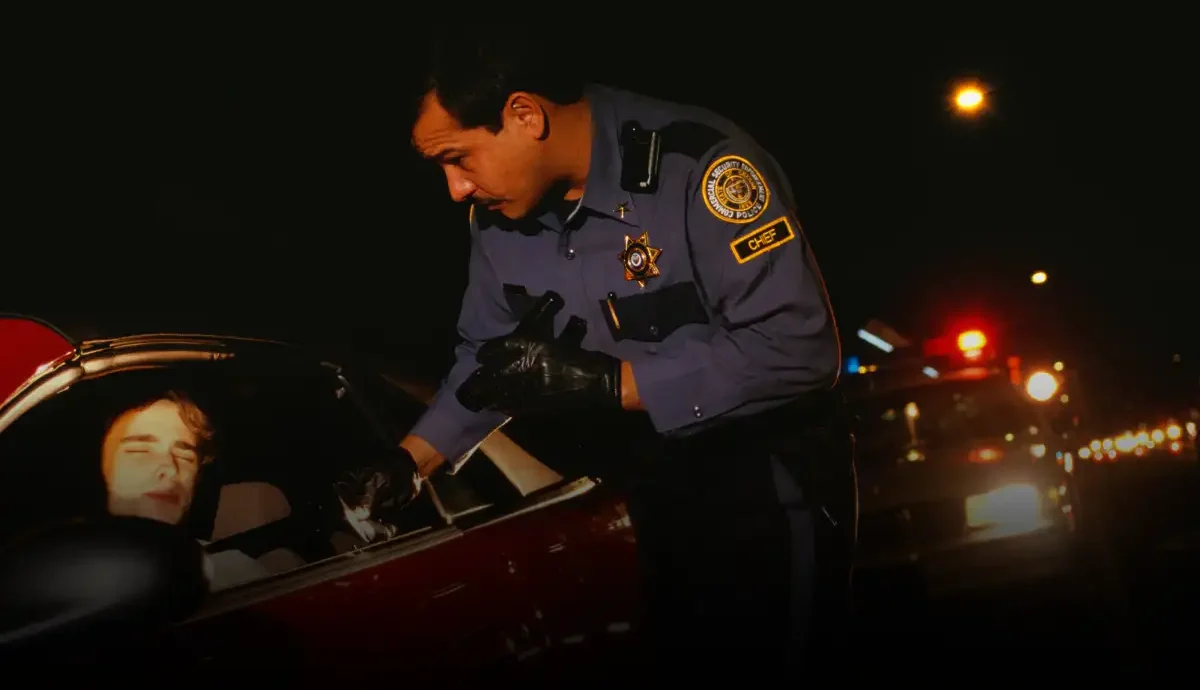
Statements made during a roadside stop can influence whether an officer believes sufficient evidence exists to continue a DWI investigation. In impaired driving cases, roadside statements DWI NC often form part of the factual basis used to establish probable cause.
Courts later examine whether those statements were voluntary, whether the stop was lawful, and whether the officer reasonably relied on them when making an arrest decision. During a traffic stop, officers may ask routine questions about travel plans, alcohol consumption, or medication use.
Although these exchanges may seem informal, they are evaluated alongside physical observations such as odor of alcohol, slurred speech, and performance on field sobriety tests. The combined weight of admissions and observable conduct often shapes whether the investigation escalates.
Judges review the totality of circumstances when assessing probable cause. North Carolina Criminal Defense Attorneys at Martine Law explain how courts analyze roadside interactions under state law.
Roadside Questioning During Traffic Stops Shapes Early DWI Investigations
Traffic stops often begin with a routine violation, but the interaction may expand if signs of impairment are observed. Officers rely on training and experience to interpret speech patterns, demeanor, and responses to questions. These early exchanges can influence whether an investigation escalates into a formal impaired driving inquiry.
Statements such as admitting to “a couple of drinks” may not alone justify arrest. However, when paired with odor of alcohol, red eyes, or erratic driving, they may contribute to the officer’s assessment. Courts examine whether the stop itself was lawful and whether questioning remained within constitutional limits.
Documentation also matters. Officers record what was said and when it was said, often in standardized forms. Accurate documentation can affect how courts later evaluate the case. Detailed arrest paperwork often becomes part of DWI arrest documentation in North Carolina, which courts use to reconstruct what occurred during the stop.
Under N.C. Gen. Stat. § 20-138.1, impaired driving is defined as operating a vehicle while under the influence of an impairing substance or with an alcohol concentration of 0.08 or more. The statute also recognizes appreciable impairment, meaning the driver’s physical or mental faculties are noticeably affected, even if a chemical test result is not yet available. This definition allows officers to rely on observable behavior, performance on field sobriety tests, and relevant statements when determining whether probable cause exists for arrest.
When do roadside statements become evidence?
Roadside statements generally become evidence when they are voluntary and obtained during a lawful stop. Officers are not required to give Miranda warnings during routine traffic questioning unless the driver is in custody.
Courts distinguish between investigative detention and custodial interrogation. During a typical stop, brief questions about alcohol consumption are usually considered part of the investigation. If the driver is formally arrested or restrained to a degree associated with arrest, constitutional safeguards may apply.
Judges evaluate roadside statements DWI NC within the broader evidentiary record. They consider tone, duration of questioning, and whether coercion occurred. If the statement was voluntary and relevant, it may be admitted at trial or during a probable cause hearing.
Probable Cause Standards In DWI Arrest Decisions
Probable cause requires more than a general suspicion but does not demand proof beyond a reasonable doubt. It exists when an officer has reasonable grounds, based on specific and articulable facts, to believe that a crime has occurred. In impaired driving investigations, this assessment develops through a combination of observed driving behavior, physical indicators of impairment, field sobriety performance, and statements made during the stop.
The phrase probable cause DWI stop NC describes the legal threshold that allows an officer to move from investigation to arrest. Courts examine whether the decision to arrest was grounded in objective facts rather than assumptions or unsupported conclusions. The totality of circumstances controls the analysis, meaning no single factor automatically determines the outcome.
According to N.C. Gen. Stat. § 15A-401(b), officers may arrest without a warrant when probable cause exists that a criminal offense has been committed. This statutory authority frames how courts evaluate the reasonableness of DWI arrest decisions under North Carolina law.
Below is a simplified illustration of factors often considered:No single factor controls. Courts review the totality of circumstances to determine whether probable cause DWI stop NC was satisfied at the moment of arrest.
Factor Observed | What the Officer Documents | Legal Significance in Probable Cause Analysis |
Admission of alcohol use | Driver states consuming alcohol, amount, or timeframe | Supports inference of impairment when combined with other indicators; timing and quantity may affect weight given to the statement |
Odor of alcohol | Presence and strength of odor from breath or vehicle | Corroborates possible consumption; alone may not establish impairment but strengthens other observations |
Slurred or thick-tongued speech | Changes in speech clarity, slowed responses | Suggests potential impairment affecting mental or physical faculties |
Bloodshot or glassy eyes | Visible eye condition noted during interaction | Commonly cited physical indicator; evaluated alongside lighting and environmental conditions |
Field sobriety test performance | Specific clues observed during standardized tests | Provides structured, objective indicators that may support probable cause if properly administered |
Erratic driving behavior | Weaving, lane deviations, delayed braking | Establishes initial reasonable suspicion and contributes to overall impairment assessment |
Unsteady balance or coordination issues | Swaying, difficulty exiting vehicle | Indicates possible appreciable impairment under statutory standards |
This enhanced format clarifies not only what is observed, but how courts interpret those observations when reviewing whether probable cause existed at the time of arrest.
How courts review probable cause in hearings?
Courts review probable cause during suppression motions and pretrial hearings. The judge considers testimony from the arresting officer, body camera footage, and written reports.
The central question is whether a reasonable officer in the same situation would have believed impairment occurred. Roadside statements DWI NC are evaluated alongside objective observations, not in isolation.
If inconsistencies appear in reports or testimony, the court may question credibility. However, when statements are consistent with physical signs and field testing, they often strengthen the prosecution’s argument that probable cause existed.
The Interaction Between Statements And Field Sobriety Testing
Field sobriety testing provides structured observations that supplement verbal admissions. Officers use standardized tests endorsed by national guidelines, including horizontal gaze nystagmus and walk-and-turn procedures.
Statements made before or after these tests can influence interpretation. For example, admitting recent alcohol consumption may shape how officers interpret minor test deviations. Conversely, denying consumption while exhibiting strong odor may raise credibility concerns.
Courts assess whether instructions were properly given and whether environmental conditions affected performance. Roadside statements DWI NC may support impairment findings when combined with test results.
Under N.C. Gen. Stat. § 20-16.2, implied consent laws govern chemical testing after arrest. This statute clarifies procedural steps following probable cause determinations in DWI cases.
Legal Review Of Statements In Suppression Motions
Suppression motions challenge whether evidence was lawfully obtained. Defendants may argue that roadside questioning exceeded lawful scope or that statements were coerced.
Judges examine whether the stop was valid at inception and whether it remained reasonably related to the circumstances justifying it. If probable cause DWI stop NC developed through lawful observations, statements are more likely to remain admissible.
Courts also consider timing. Statements made before arrest are typically reviewed differently than those made after custody begins. Procedural safeguards and documentation become central in these hearings.
Judicial Evaluation Of Roadside Evidence In DWI Cases
Roadside interactions form the foundation of many impaired driving cases. Courts assess whether statements, observations, and testing collectively supported arrest decisions. The admissibility of evidence often depends on careful review of constitutional protections and statutory authority.
Clear documentation, lawful procedures, and consistent testimony shape judicial findings. Understanding how statements factor into probable cause analysis clarifies why early interactions during a traffic stop can carry legal significance.
When facing DWI charges, having clear legal guidance matters. North Carolina Criminal Defense Attorneys can help you understand your rights, the court process, and possible outcomes based on your situation. You may book a free case evaluation by calling (704)461-9488 or visiting the Contact Us page.
Frequently Asked Questions
Can I refuse to answer questions during a traffic stop?
Yes, you generally have the right to remain silent beyond providing required identifying information. During a lawful traffic stop, officers may ask investigative questions, but you are not obligated to answer inquiries about alcohol consumption. However, silence does not prevent officers from relying on observable conduct, driving behavior, or testing outcomes when evaluating impairment.
Do roadside statements automatically establish probable cause?
No, roadside statements DWI NC do not automatically establish legal grounds for arrest. Courts review whether the statement was voluntary, accurately documented, and supported by independent indicators of impairment. A brief admission without corroborating evidence may carry limited weight. Judges assess credibility, timing, and consistency before determining whether the arrest decision was legally justified.
What happens if the officer lacked probable cause?
If probable cause DWI stop NC was not properly supported, a judge may exclude evidence obtained after the arrest. This can include chemical test results or additional statements made in custody. The court examines whether constitutional safeguards were followed and whether the officer’s decision was grounded in objective facts rather than speculation.
Where can I learn more about DWI defense options?
You can review additional information about DWI procedures and defense considerations by exploring resources related to DWI. These materials explain how investigations progress, how charges are structured, and how courts evaluate evidence in impaired driving cases. Reviewing procedural guidance may provide clarity about potential next steps under North Carolina law.
