
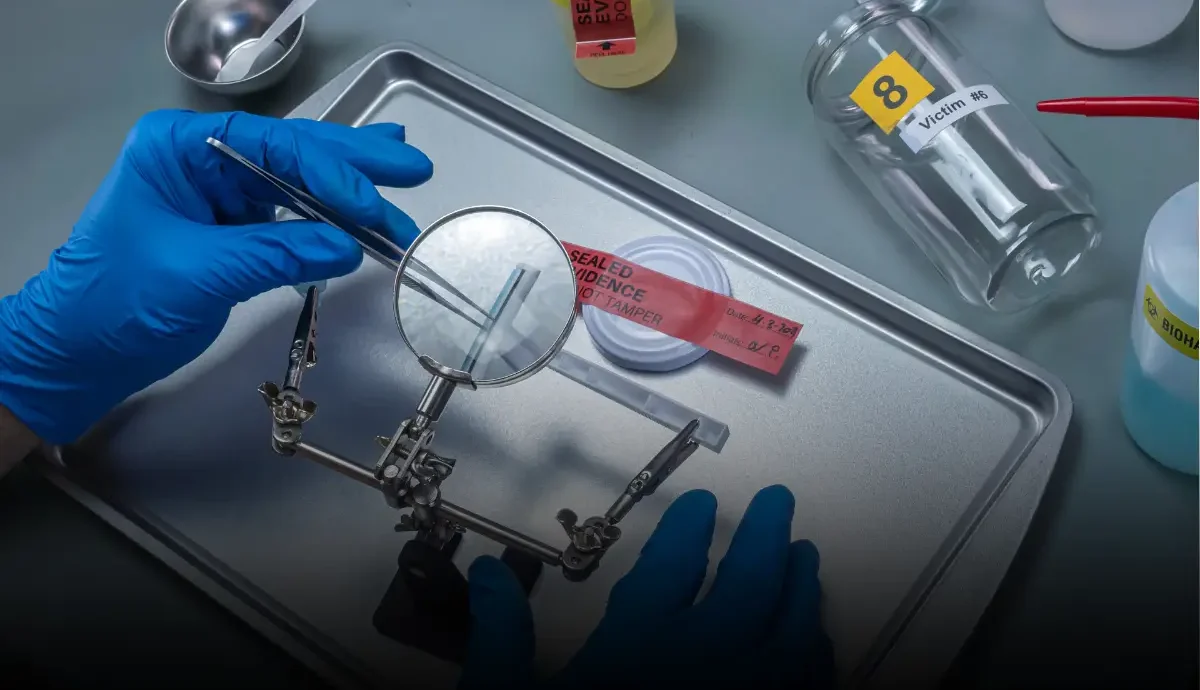
In North Carolina sexual assault cases, investigators may request a forensic medical exam to preserve physical and biological evidence soon after an allegation is reported. These exams are commonly known as SAFE kits and are used to document injuries, collect samples, and create a medical record that may later be reviewed during an investigation.
Requests for these exams are based on timing, reported conduct, and whether evidence collection may still be useful. Not every report leads to a forensic exam, and participation is voluntary under North Carolina law.
A SAFE kit sexual assault NC examination is part of an evidence preservation process rather than a determination of fault or credibility. The exam can occur even when someone has not decided whether to participate in a criminal investigation. North Carolina Criminal Defense Attorneys at Martine Law explain how forensic procedures fit into the broader structure of sexual assault investigations and how this evidence is evaluated under state law.
Key Takeaways
- SAFE kit sexual assault exams are used to preserve medical findings and potential forensic evidence, not to determine guilt or credibility.
- A forensic exam request NC is based on timing, reported details, and whether evidence collection may still be useful, not on automatic rules.
- Participation in a SAFE exam is voluntary, and individuals may consent to some parts of the process while declining others.
- The presence or absence of forensic evidence does not control whether an investigation continues or charges are considered.
What does a SAFE kit sexual assault NC forensic exam involve?
A SAFE kit sexual assault exam is a medical and forensic process designed to collect and preserve evidence following a reported sexual assault. In North Carolina, these exams are conducted by trained medical professionals using standardized protocols.
The exam focuses first on medical care and patient consent. Evidence collection occurs only if the individual agrees and may be limited to specific steps rather than the entire process.
Common components of a SAFE examination
While each exam is individualized, a SAFE kit may include:
- A medical evaluation for injuries or health concerns
- Documentation of physical findings
- Collection of biological samples when applicable
- Written and photographic documentation following protoco
The presence or absence of forensic findings does not determine whether a case proceeds.
When do investigators request a forensic exam in North Carolina?
Investigators request forensic exams when circumstances suggest that physical evidence may still be available and relevant. A forensic exam request NC is not automatic and depends on several situational factors.
Requests may occur even if a formal police report has not yet been filed. North Carolina allows exams to be completed while preserving an individual’s ability to decide later whether to engage with law enforcement.
Factors that influence a forensic exam request NC
A forensic exam request NC may depend on:
- The time between the incident and the report
- The nature of the alleged contact
- Whether injuries are reported or observed
- Availability of trained forensic medical staff
These factors help determine whether evidence collection is appropriate at that stage.
How consent affects SAFE kit evidence collection
Consent is required for every part of a SAFE exam in North Carolina. Individuals may agree to some portions of the exam while declining others, including specific evidence collection steps. A SAFE kit can be completed without committing to a criminal investigation, and participation in the exam does not require immediate law enforcement involvement.
Consent decisions also affect what happens after the exam. When a report is not immediately made, evidence collected during the exam may be preserved for a limited period, allowing time for the individual to decide how to proceed without pressure. Under North Carolina General Statutes § 15-11.1, evidence retention and release are governed by state and local protocols, and additional authorization is generally required before evidence is provided to law enforcement.
Storage and release of collected evidence
When a SAFE kit is collected but no immediate report is filed, the evidence is stored in accordance with North Carolina laws and local agency protocols. These procedures are designed to preserve the integrity of the evidence while protecting the individual’s rights during the decision-making period.
Release of collected evidence to law enforcement requires specific authorization under applicable state law. Until that authorization occurs, the evidence remains secured and tracked according to established handling standards. This process ensures that SAFE kit evidence is managed consistently, transparently, and in compliance with legal requirements.
How SAFE kits are used during investigations
Once a SAFE kit is completed, it becomes one part of a broader sexual assault investigation in North Carolina. The kit itself does not determine whether a crime occurred or whether charges will be filed. Instead, investigators evaluate the SAFE kit alongside other evidence, such as interviews, witness statements, digital communications, medical records, and scene information.
Law enforcement agencies decide whether and when a SAFE kit is submitted for laboratory testing. This decision depends on factors such as the timing of the report, the information available at that stage of the investigation, and whether testing is likely to provide relevant forensic results. In some cases, a kit may be collected and preserved but not immediately tested, reflecting the discretionary nature of investigative decision-making.
After collection, SAFE kits must be handled in accordance with established North Carolina laws and evidence-handling protocols. Under N.C. Gen. Stat. § 15A-266.4A, law enforcement agencies are subject to requirements governing the preservation, inventory, tracking, and submission of sexual assault evidence collection kits. These rules are intended to protect the integrity of the evidence and ensure accountability throughout the handling process.
The tracking system also supports accountability among medical facilities, law enforcement agencies, and forensic laboratories. By improving oversight and efficiency in evidence handling, it helps ensure that SAFE kits are managed consistently and according to state standards. While SAFE kits can contribute valuable information, investigators rely on the totality of available evidence when evaluating a case.
How forensic exams fit into the overall investigation process
SAFE kits serve a specific and limited function in North Carolina sexual assault investigations by preserving medical findings and potential forensic evidence at an early stage. Decisions about whether a forensic exam is requested or completed depend on consent, timing, and the details reported, not on assumptions about how a case will be resolved. These exams are one piece of a broader investigative process that also includes interviews, documentation, and prosecutorial review.
Understanding how SAFE kit sexual assault NC procedures fit into this process can help individuals better navigate what may happen after a report is made or medical care is sought. North Carolina Criminal Defense Attorneys at Martine Law assist individuals by explaining how forensic evidence is collected, reviewed, and weighed under North Carolina criminal law.
Discussing these issues with an attorney can provide clarity about investigative steps and legal considerations without pressure to take immediate action. If you would like to speak with someone about how these procedures may apply to your situation, you may contact North Carolina Criminal Defense Attorneys at Martine Law at +1(704)461-9488 or through the Contact Us page.
FAQs About SAFE Kits in NC Sexual Assault Cases
Is a forensic exam required to report sexual assault in North Carolina?
No, a forensic exam is not required to report sexual assault in North Carolina. An individual may choose to report an incident to law enforcement without undergoing a medical or forensic exam. Investigations can still proceed using statements, witness information, digital evidence, and other available facts, even when a forensic exam is not conducted.
How long is forensic evidence stored if no report is filed?
Evidence storage depends on state guidelines and agency procedures. In some SAFE kit sexual assault NC situations, evidence collected during a non-reported exam may be stored for a defined period to allow time for a reporting decision. If no report is made within that timeframe, the evidence may eventually be released or destroyed under established policies.
Can a forensic exam be requested days after an incident?
Yes, a forensic exam may still be requested days after an incident, depending on the circumstances. Medical providers assess whether evidence collection may still be useful based on factors such as time elapsed, reported activity, and medical considerations. There is no single deadline, and decisions are made on a case-by-case basis.
Does declining a forensic exam stop an investigation?
No, declining a forensic exam does not stop an investigation. Law enforcement may still evaluate a report using other forms of evidence, including interviews, electronic communications, surveillance footage, and witness statements. A person’s decision not to undergo a forensic exam does not prevent officers from reviewing the allegations and determining next investigative steps.
Who can explain how forensic evidence is used later in a case?
Medical professionals can explain how forensic exams are performed and documented, while attorneys can clarify how that information is later reviewed in criminal proceedings. Legal professionals familiar with North Carolina criminal procedure can help explain how medical records and forensic evidence may affect charging decisions, case evaluation, and courtroom considerations.
